5 Innovative Web Design Trends Transforming the Digital Landscape


Immersive 3D Elements
As technology advances, web design is moving beyond traditional flat interfaces. One of the most exciting trends is the use of immersive 3D elements. These elements not only capture attention but also create engaging and interactive experiences for users. By utilizing advanced graphics and animations, designers can make a website feel more dynamic and alive.
3D elements can range from subtle animations to fully interactive environments. They help in storytelling and provide a unique way for users to interact with content, making the digital experience more memorable.
Minimalistic and Clean Design
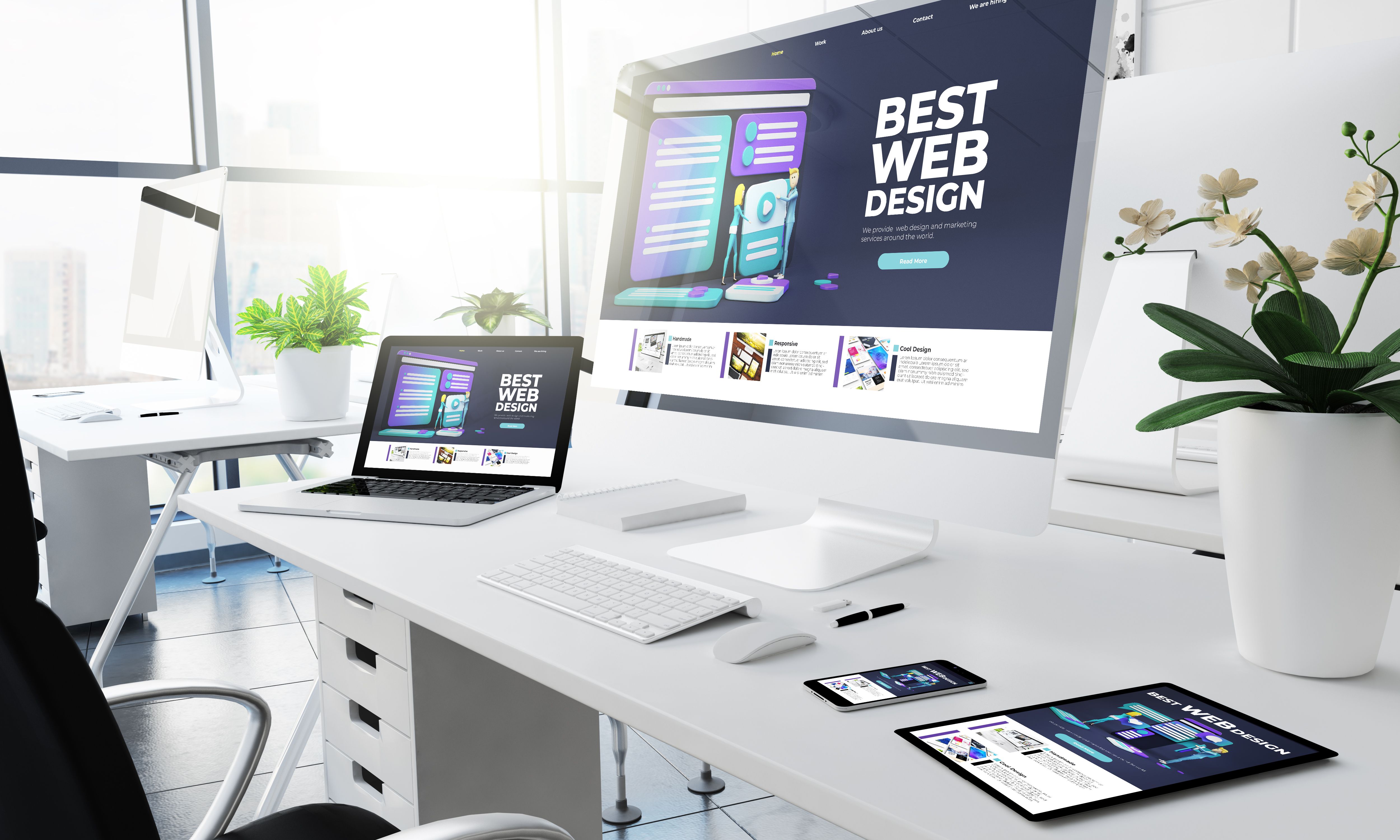
In contrast to the complexity of 3D elements, minimalistic design continues to hold strong. This trend focuses on simplicity and clarity, stripping away unnecessary elements to create a clean and efficient user experience. With a focus on user-centric design, minimalism enhances usability and accessibility.
Key features of minimalistic design include strategic use of white space, clean typography, and a limited color palette. These elements work together to highlight essential information and guide users seamlessly through the website.
Dark Mode and Color Schemes
Dark mode has become a popular feature across various platforms, and it's now a significant trend in web design. Offering a dark mode option not only enhances visual appeal but also reduces eye strain for users. It gives websites a sleek and modern appearance, which many users find appealing.
Alongside dark mode, unique color schemes are being used to create striking visual contrasts. Designers are experimenting with bold and unexpected color combinations to make websites stand out while maintaining readability and accessibility.
Micro-Interactions and Animation
Micro-interactions are subtle animations that provide feedback to users as they interact with a website. These small design elements can significantly enhance user experience by providing intuitive responses and guiding user actions. For example, a button that changes color when hovered over or a form that shakes when filled out incorrectly.
These animations not only make a website more interactive but also add a layer of personality and fun. They help in building a brand's identity and can leave a lasting impression on users.

Voice User Interface (VUI)
With the rise of voice-activated devices, integrating a voice user interface into web design is becoming increasingly important. VUI allows users to interact with websites using voice commands, making the experience more accessible and hands-free.
This trend is particularly beneficial for accessibility, providing an alternative way for users with disabilities to navigate and interact with web content. As voice technology continues to evolve, its integration into web design will likely grow, offering new ways to engage users.