The Ultimate Guide to Modern Web Design


Understanding Modern Web Design
Modern web design is about more than just aesthetics. It encompasses user experience, accessibility, and functionality. The design landscape is ever-evolving, incorporating new technologies and trends to create engaging and efficient websites. Whether you're a seasoned designer or a beginner, understanding the core principles of modern web design is crucial.

User-Centric Approach
A user-centric approach is at the heart of modern web design. It involves creating websites that prioritize the needs and preferences of the users. This means designing for intuitive navigation, readability, and accessibility. By focusing on the end-user, designers can create more engaging and satisfying experiences.
Responsive Design
In today's digital age, responsive design is essential. This approach ensures that websites function seamlessly across various devices and screen sizes. A responsive website adjusts its layout and elements dynamically, providing a consistent user experience whether accessed on a desktop, tablet, or smartphone. This adaptability is not just a trend but a necessity.

Key Elements of Modern Web Design
Minimalist Aesthetics
Minimalism continues to dominate modern web design. By focusing on simplicity and clarity, designers can create visually appealing and easy-to-navigate websites. This involves using ample white space, simple color schemes, and clean typography. The goal is to eliminate clutter and enhance focus on the content.
Typography and Color
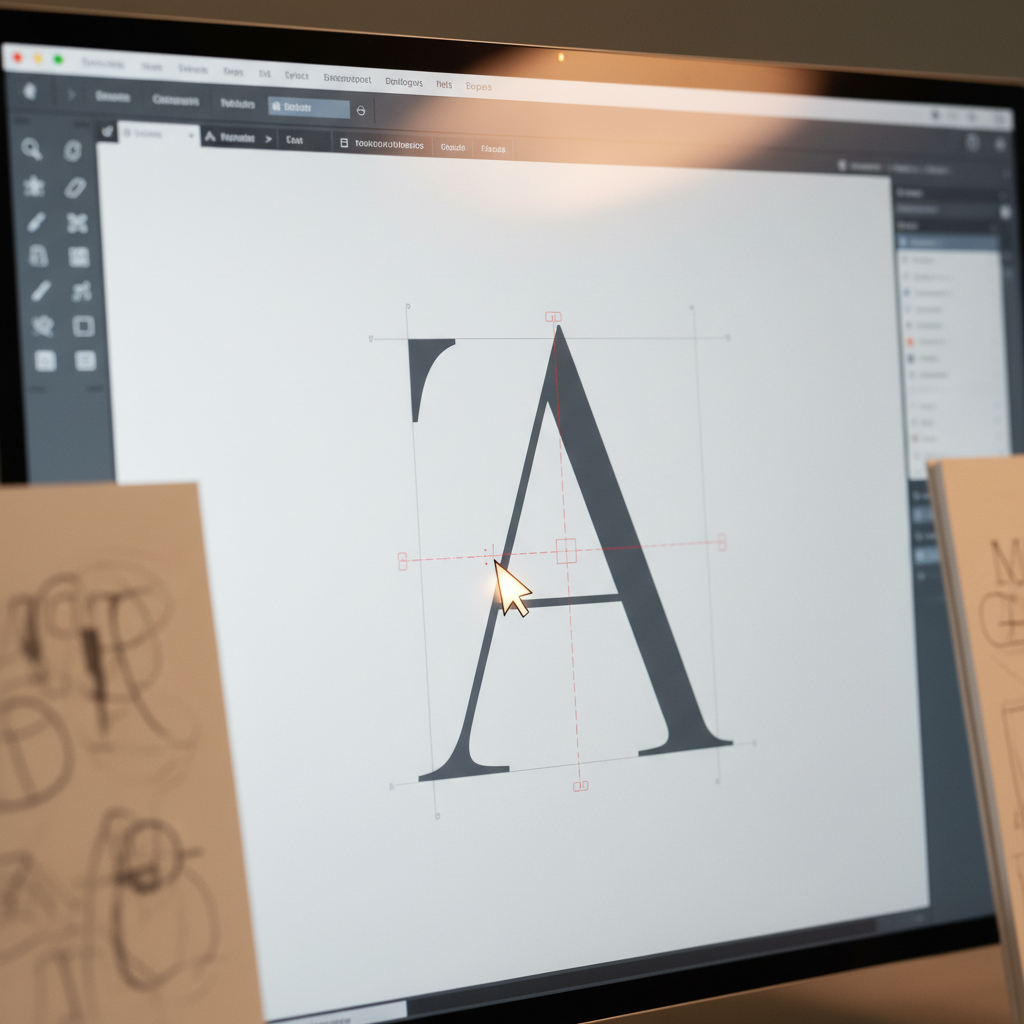
Typography and color play a crucial role in conveying a website's message and tone. Modern web design often utilizes bold typography and a limited color palette to create a strong visual impact. Choosing the right fonts and colors can significantly influence a website's readability and user engagement.
Incorporating Advanced Technologies
Interactive Elements
Interactive elements such as animations, videos, and micro-interactions can make a website more engaging. These elements should, however, be used judiciously to enhance user experience without overwhelming the visitor. Subtle animations can guide users and improve navigation.
SEO and Performance
Modern web design must also consider SEO and performance optimization. Fast loading times and search engine-friendly structures are critical for both user satisfaction and search visibility. Implementing clean code, compressing images, and using SEO best practices can dramatically improve a website's performance.

Future Trends in Web Design
As technology advances, web design will continue to evolve. Future trends may include the integration of artificial intelligence, augmented reality, and voice user interfaces. Staying updated with these trends can help designers create innovative and future-proof websites.
In conclusion, modern web design is a blend of aesthetics, functionality, and technology. By focusing on user experience, embracing responsiveness, and incorporating the latest trends, designers can create websites that are not only beautiful but also highly effective.