Top Web Design Trends to Inspire Your Next Project


Embracing Minimalism
In recent years, minimalism has become a cornerstone of web design. This trend focuses on simplicity, with clean lines and ample white space. By eliminating unnecessary elements, designers can create websites that are both aesthetically pleasing and highly functional. Minimalism helps users focus on the content itself, providing a seamless and engaging experience.
Moreover, minimalist designs often lead to faster load times, which can significantly improve user satisfaction and search engine rankings. As you plan your next web project, consider adopting a minimalist approach to make your website both beautiful and efficient.
Dark Mode Design
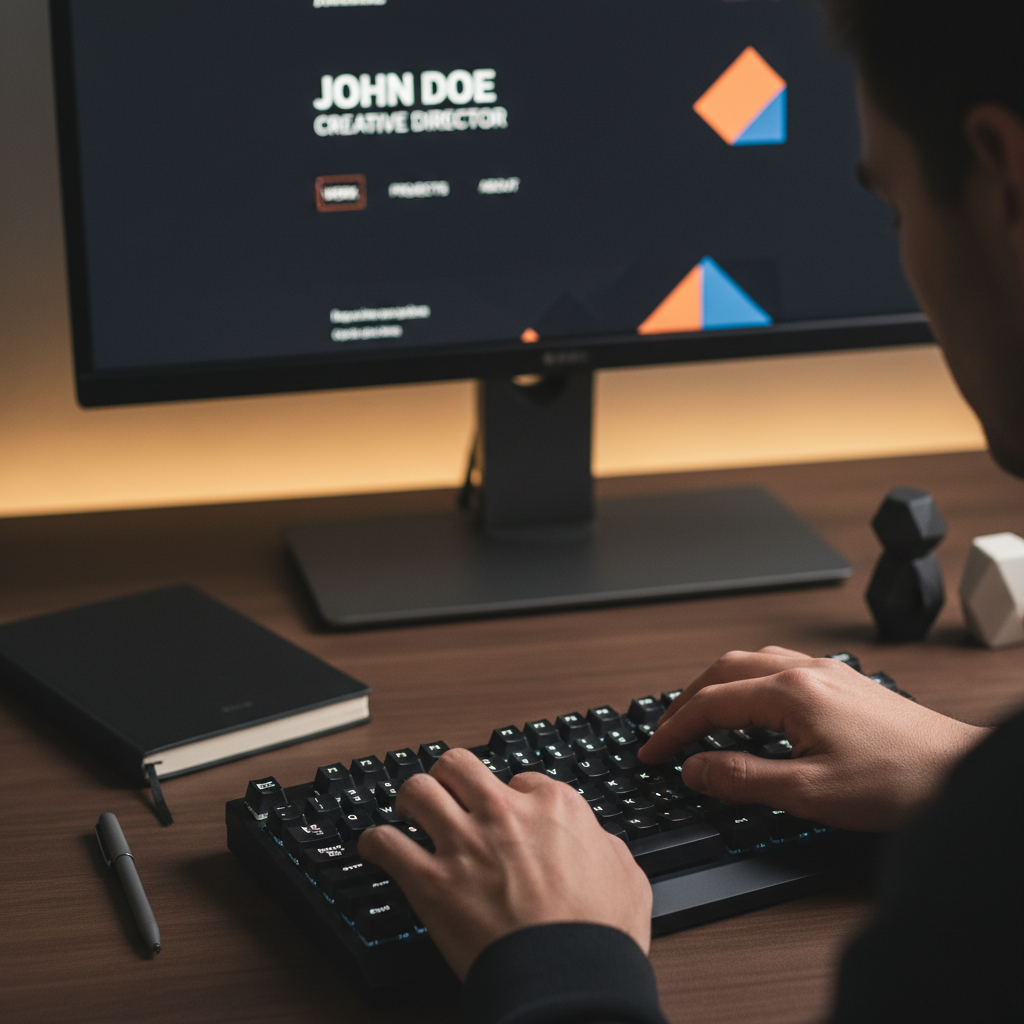
Dark mode has quickly gained popularity due to its sleek appearance and eye-friendly benefits. By using a darker color palette, websites can reduce eye strain for users, especially in low-light environments. This trend also conserves battery life on OLED screens, making it a practical choice for mobile users.
Implementing a dark mode option can provide users with a customizable experience, allowing them to choose the mode they find most comfortable. As more users become accustomed to this feature, offering a dark mode can set your website apart and enhance user satisfaction.
Interactive Elements
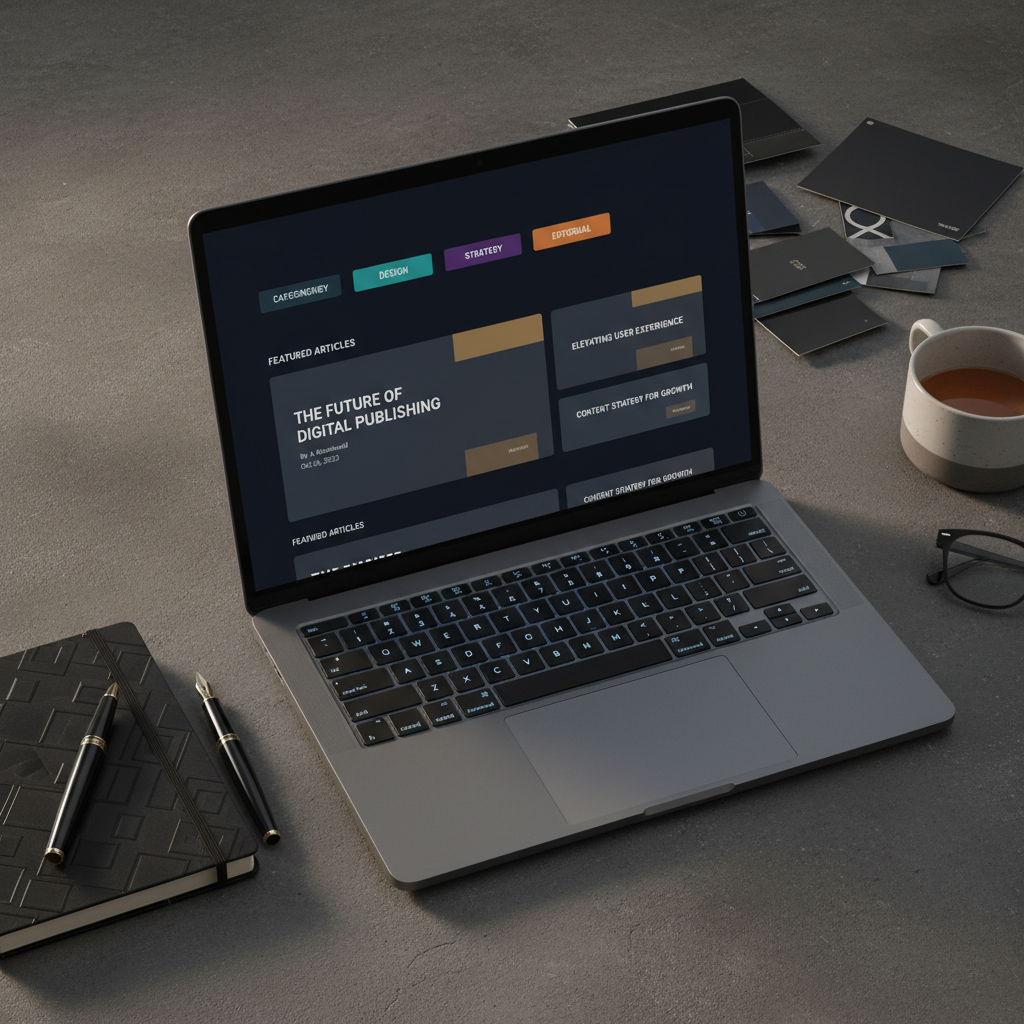
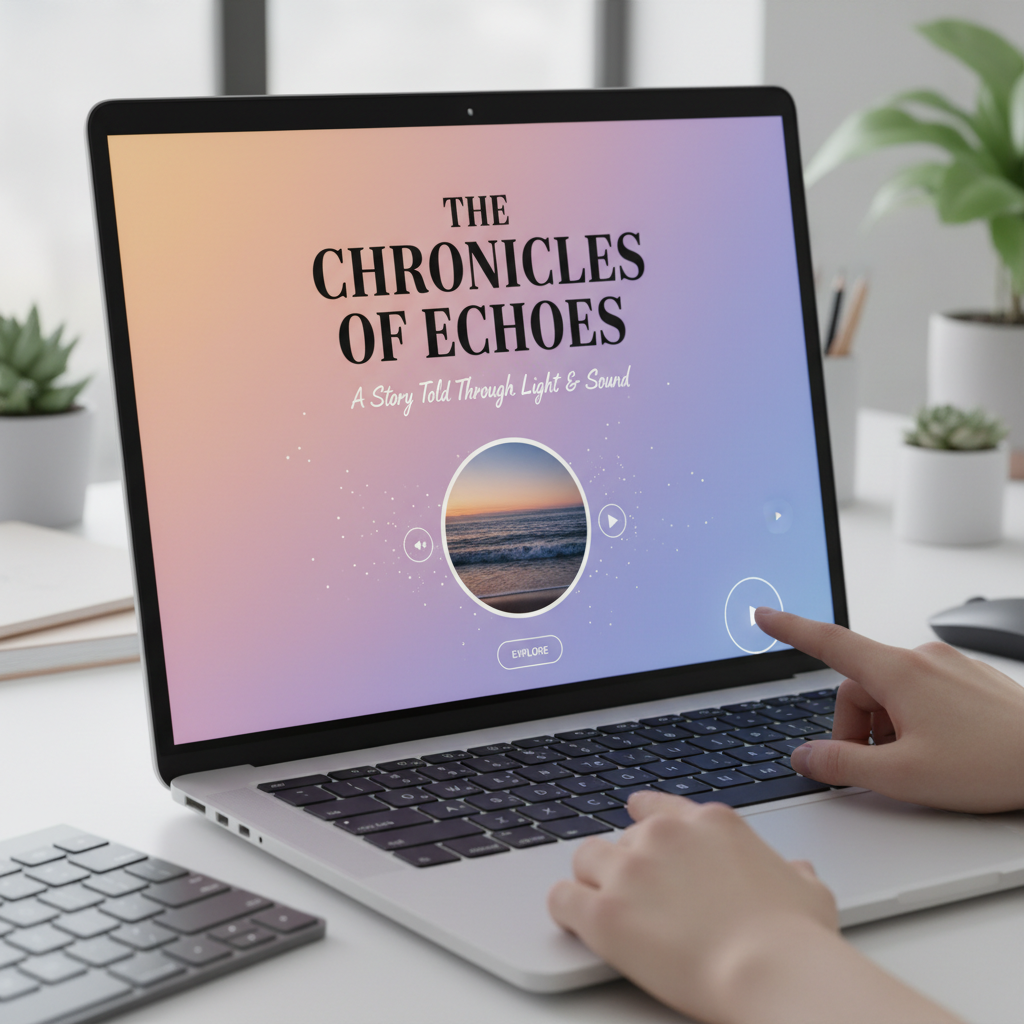
Interactive elements are an excellent way to engage users and make your website more memorable. From animations and micro-interactions to scroll-triggered effects, these elements can capture attention and encourage users to explore further. When used thoughtfully, interactivity can lead to higher user engagement and longer site visits.
However, it's essential to strike a balance between interactivity and usability. Overloading a website with too many interactive elements can overwhelm users and detract from the overall experience. Focus on incorporating elements that add genuine value and enhance navigation.
AI-Powered Personalization
Artificial intelligence is revolutionizing web design by enabling highly personalized user experiences. AI can analyze user data to provide tailored content, product recommendations, and even design layouts that cater to individual preferences. This level of personalization can significantly boost user engagement and conversion rates.
By integrating AI-powered tools, businesses can create websites that adapt dynamically to user behavior, ensuring that visitors receive the most relevant and engaging experience possible.
Typography as a Design Element
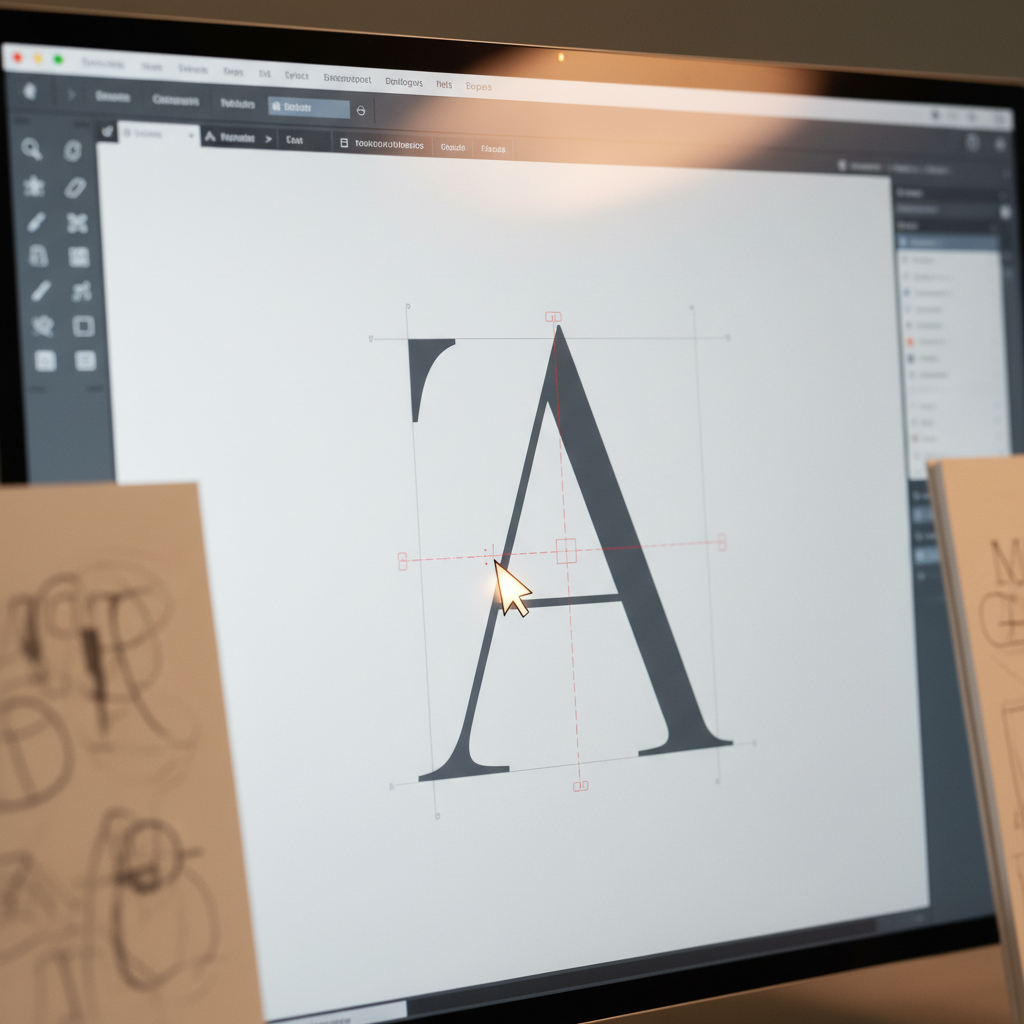
Typography is no longer just about readability; it's a powerful design element that can convey brand personality and set the tone for a website. Bold, creative fonts can draw attention and create visual interest, while custom typography can help distinguish your brand from competitors.
When selecting typography, ensure it aligns with your brand identity and contributes to the overall aesthetic of your website. Combining different fonts can create a harmonious design, but be cautious not to overdo it, as consistency is key to maintaining a professional appearance.
Conclusion
Staying current with the latest web design trends can help you create a website that is both modern and effective. By embracing minimalism, dark mode, interactive elements, AI-powered personalization, and innovative typography, you can ensure your next project stands out in a crowded digital landscape. Keep these trends in mind as you plan your next web design venture to deliver an exceptional user experience.