Understanding Web Design Trends: What’s New and What’s Next


Introduction to Web Design Trends
The world of web design is a dynamic and ever-evolving field. Each year, new trends emerge, influenced by technological advancements, user preferences, and creative innovation. Understanding these trends is crucial for designers who want to create engaging and modern websites.
This post explores the latest trends in web design, highlighting what's new and what's expected to shape the future. By staying ahead of these trends, designers can craft experiences that resonate with users and keep them coming back for more.
Minimalism and Simplicity
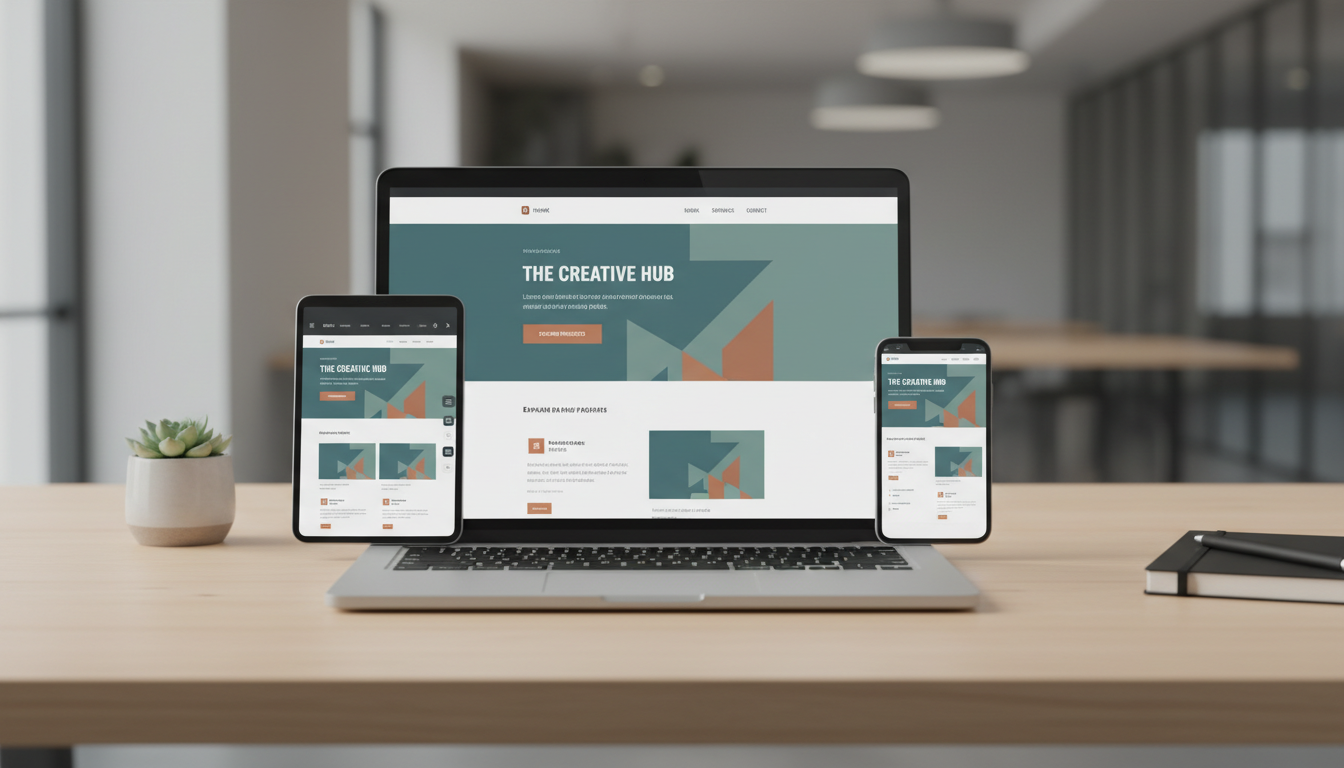
In recent years, minimalism has become a predominant trend in web design. The focus is on creating clean, uncluttered interfaces that enhance user experience. This approach often involves using ample white space, simple color schemes, and clear typography.
Minimalist design not only improves aesthetics but also enhances functionality. By removing unnecessary elements, websites load faster and are easier to navigate, leading to improved user satisfaction.
Embracing White Space
White space, or negative space, is a fundamental aspect of minimalist design. It helps to draw attention to important content and creates a sense of balance on the page. Designers are increasingly using white space to create breathing room, making content more digestible.
Dark Mode
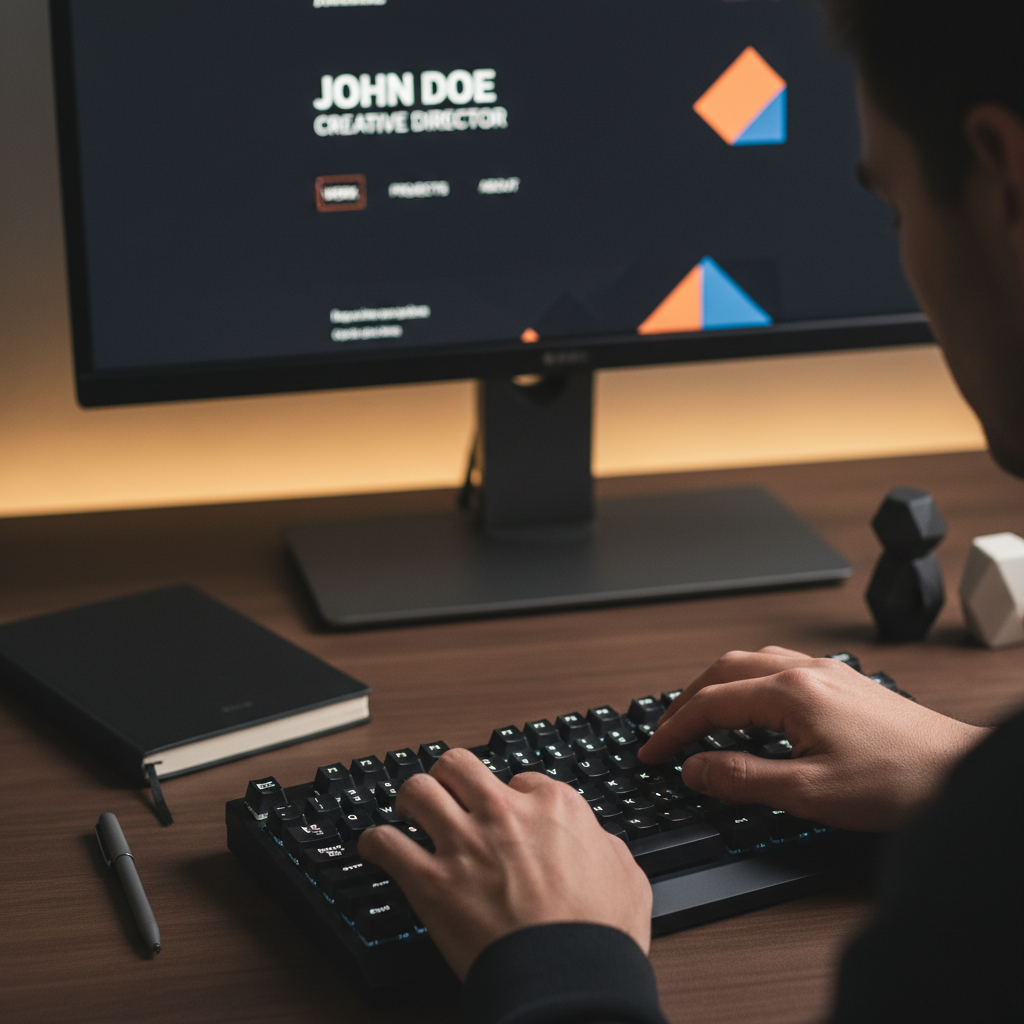
Dark mode is no longer just a trend; it's becoming a standard feature. This design choice offers a sleek, modern look while reducing eye strain for users. Many popular websites and applications now offer dark mode as an option, reflecting its growing popularity.
The use of dark mode can also enhance battery life on OLED screens, making it a practical choice for mobile users. Designers are experimenting with various color schemes and contrasts to ensure readability and accessibility in dark mode.
Micro-Interactions
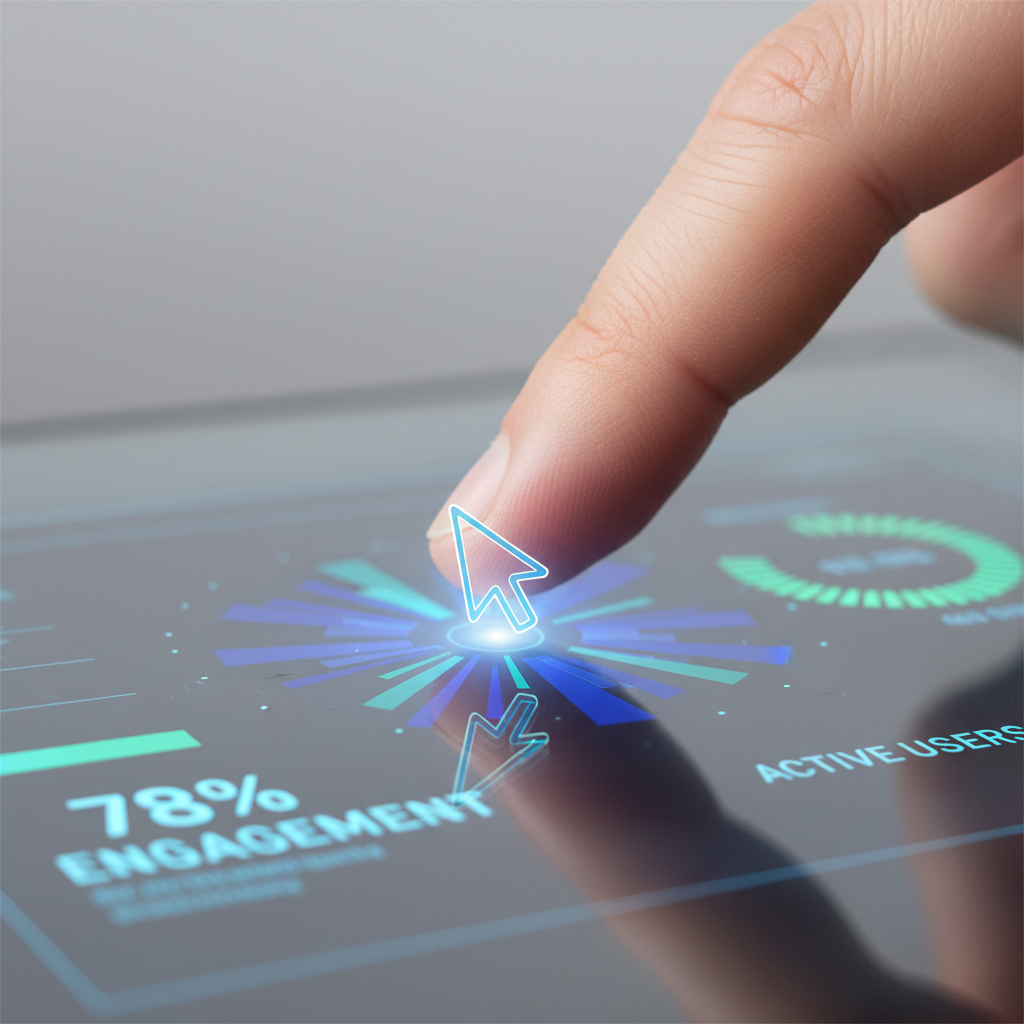
Micro-interactions are subtle animations or visual cues that guide users through a website. These small design elements can enhance user experience by providing feedback, indicating actions, and adding a touch of personality to the site.
Examples of micro-interactions include hover animations, button effects, and loading indicators. These elements, while small, can significantly impact how users interact with a website and perceive its responsiveness.
Immersive 3D Elements
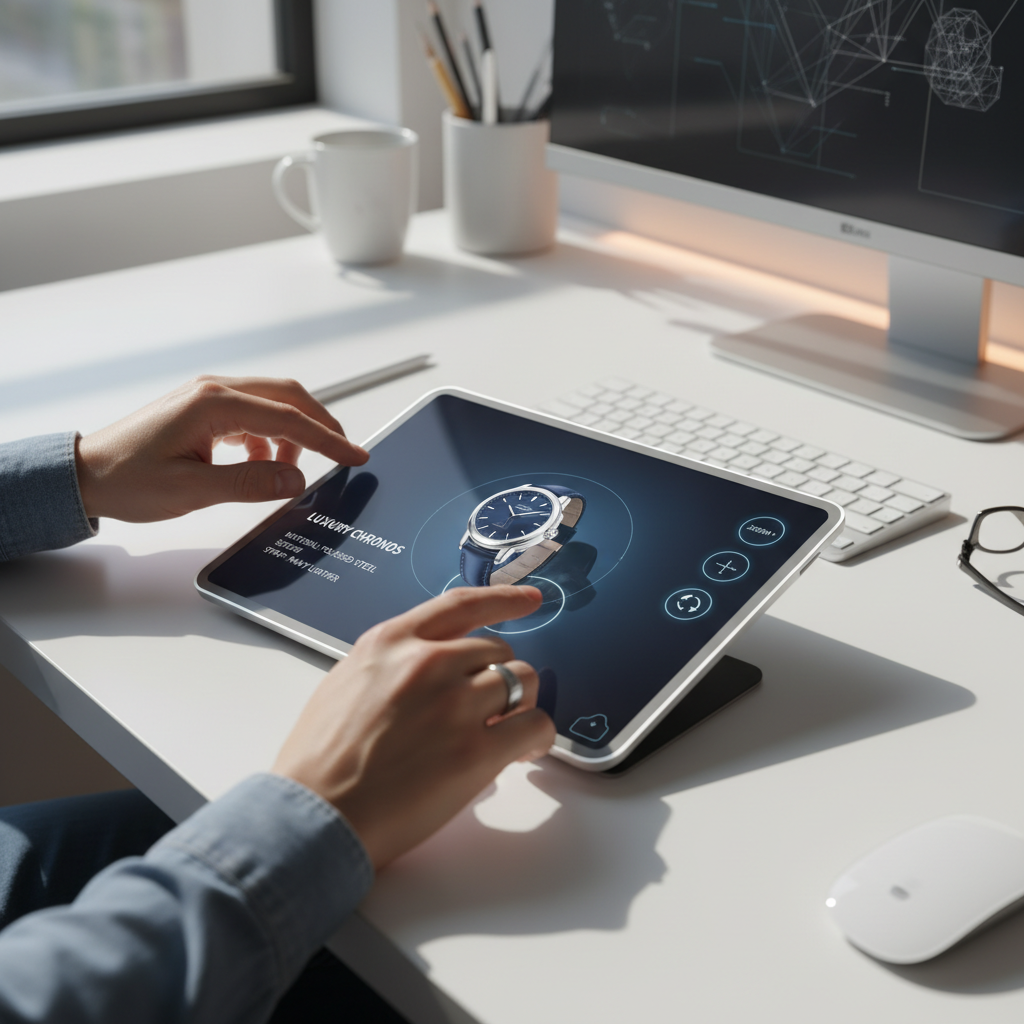
With advancements in technology, 3D elements are becoming more accessible in web design. These elements create an immersive experience that captivates users and keeps them engaged. From 3D graphics to interactive animations, the possibilities are expanding.
Designers are using 3D elements to add depth and realism to websites, often integrating them seamlessly into the overall design. This trend is expected to grow, as more tools become available to support 3D design.
Challenges and Considerations
While 3D elements can enhance a website, they also present challenges. Ensuring fast load times and maintaining usability are critical considerations when incorporating these elements. Designers must balance creativity with performance to create effective designs.
Conclusion
Web design trends are continuously evolving, driven by technological innovations and changing user preferences. By understanding these trends, designers can create websites that are not only visually appealing but also functional and user-friendly.
As we look to the future, staying informed about emerging trends will be key to maintaining a competitive edge in the digital landscape. Whether it's through minimalist design, embracing dark mode, or experimenting with 3D elements, the opportunities for innovation are endless.