Web Design Essentials for Small Businesses in Canada


The Importance of a Professional Web Design
For small businesses in Canada, having a professional website is crucial. It's often the first point of interaction between you and potential customers. A well-designed website not only enhances credibility but also helps in building trust with your audience. In today’s digital age, your website is your storefront, and its design can significantly influence visitor perceptions.

Understanding Your Audience
Before diving into the design process, it's essential to understand your target audience. Knowing their preferences, behaviors, and needs will guide the design and functionality of your website. Consider factors like age, location, and interests to tailor your content effectively. This understanding will help create a user-friendly site that resonates with your audience, encouraging longer visits and repeat engagements.
Key Elements of Effective Web Design
There are several elements that contribute to an effective web design. Here are some key components to consider:
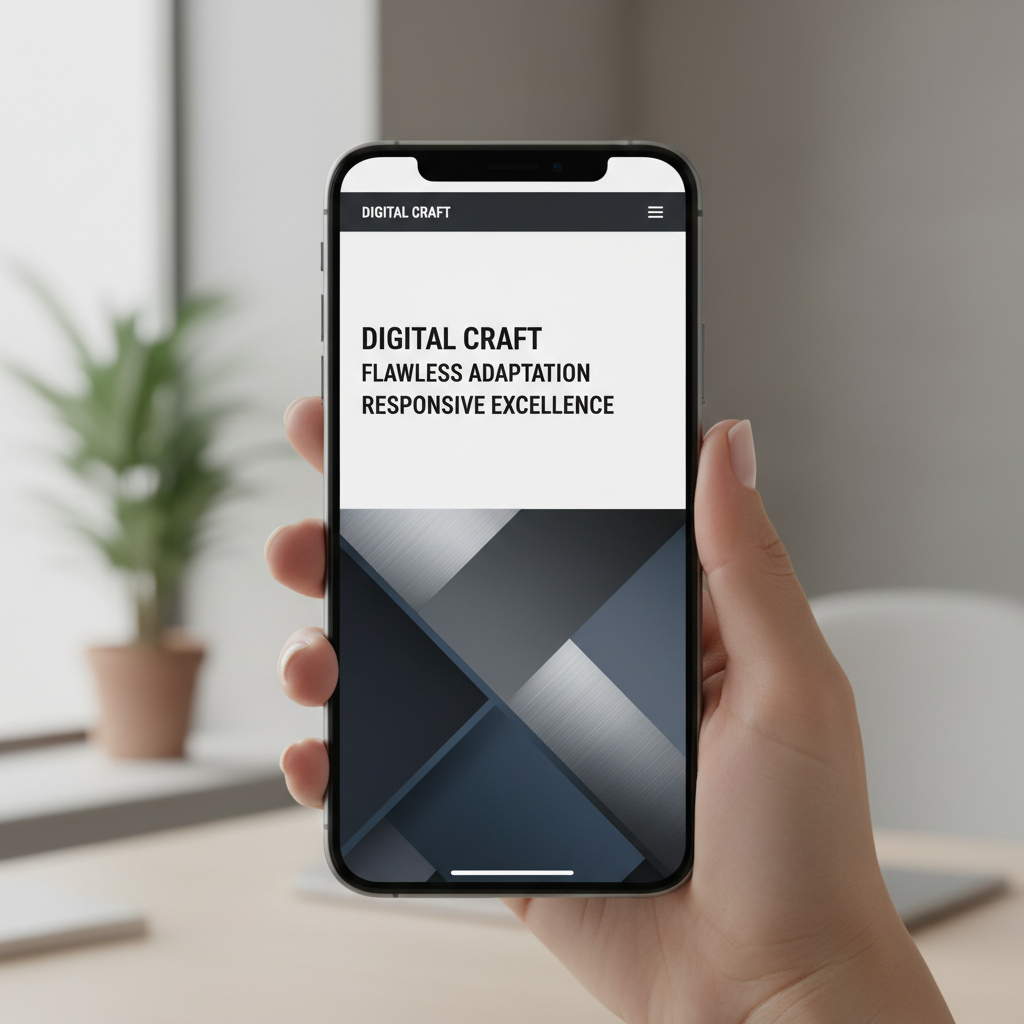
- Responsive Design: Ensure your website is accessible and looks great on all devices, from desktops to smartphones.
- Intuitive Navigation: Make sure visitors can easily find what they’re looking for with a clear and logical menu structure.
- Engaging Visuals: Use high-quality images and videos to capture attention and convey your brand message.
- Fast Load Times: Optimize images and scripts to ensure your site loads quickly, reducing bounce rates.
The Role of SEO in Web Design
Search Engine Optimization (SEO) should be a priority when designing your website. SEO-friendly design involves optimizing your site structure, content, and meta tags to improve visibility on search engines. This can lead to higher rankings, increased traffic, and ultimately, more customers. Consider integrating keywords naturally into your content and using descriptive alt text for images.
Choosing the Right Web Design Tools
Selecting the right tools and platforms is vital for creating and maintaining your website. Popular options include WordPress, Wix, and Shopify, each offering different levels of customization and ease of use. Evaluate your business needs and technical skills to choose a platform that suits you best. Look for features like drag-and-drop builders, customizable templates, and e-commerce capabilities if needed.

Content is King
While design is critical, content is what keeps visitors engaged. Ensure your website has clear, concise, and compelling content that speaks directly to your audience. Regularly update your blog, product descriptions, and service pages to keep your site relevant and informative. Incorporate calls-to-action to guide visitors towards desired actions like making a purchase or signing up for a newsletter.
Building Trust with Testimonials and Reviews
Including customer testimonials and reviews can significantly enhance your website’s credibility. Positive feedback from satisfied customers acts as social proof, encouraging potential clients to trust your brand. Display testimonials prominently on your homepage or dedicate a section to showcase detailed reviews. Authentic and relatable stories can have a powerful impact on conversion rates.
Integrating Social Media
Integrating social media into your web design can extend your reach and foster community engagement. Include social media buttons on your site to encourage sharing and followings. By connecting your website with platforms like Facebook, Instagram, and LinkedIn, you can create a cohesive digital presence and boost your marketing efforts. Social media feeds can also add dynamic content to your site.
Final Thoughts
Web design is a crucial aspect of any small business strategy, especially in Canada’s competitive market. By focusing on user experience, SEO, and engaging content, you can create a website that not only attracts visitors but also converts them into loyal customers. Remember, your website is an evolving tool—regular updates and improvements are key to staying ahead.